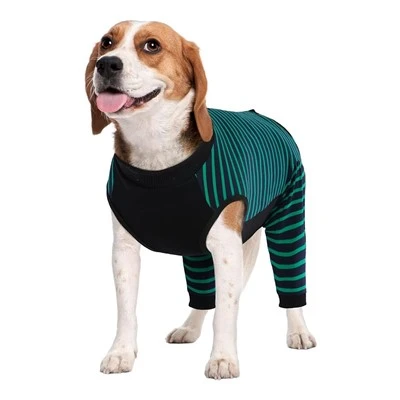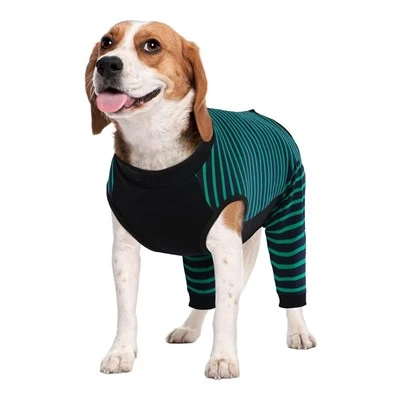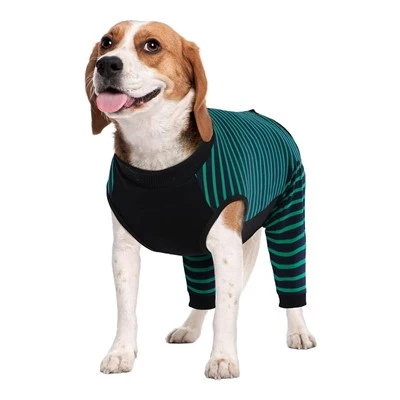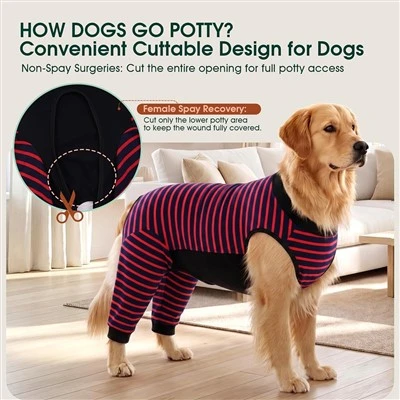

Pet clothing comes in a wide variety of styles and features fine craftsmanship; available in sizes tailored to the animal's dimensions, these garments often include functional details like buttons, zippers, and pockets-much like children's clothing.
1. Pets have a natural ability to regulate body temperature
As seasons, temperatures, and daylight hours change, the density and length of a pet's fur adjust automatically to maintain a stable body temperature, thereby ensuring the stability of their immune system.
From this perspective, clothing, shoes, and hats can actually become a burden-or even a catalyst for illness. Wearing such items hinders a pet's natural ability to groom itself and regulate its temperature, potentially lowering immunity or creating a dependency on the accessories. Health issues may arise if the items are worn for prolonged periods or fitted improperly. If owners insist on dressing their pets, they should limit the time the animals spend wearing these items.
2. Exercise is worse than clothing for keeping warm
A more effective way to stay warm is through increased exercise and outdoor activity. Furthermore, if clothing is used, it must fit properly; ill-fitting clothes can cause lethargy, irritability, and a reluctance to move, or even lead to illness. Pet clothing should be washed frequently but must never be laundered together with the owner's clothes, as this increases the risk of transmitting infectious diseases.
3. Which dogs need clothing?
Special attention to warmth is required for dogs with weak constitutions, elderly dogs with poor natural temperature regulation, nursing mothers, dogs recovering from serious illness, and those with old injuries. Additionally, even for healthy dogs, the decision to use clothing should depend on coat length and breed. For instance, breeds like Pomeranians, Miniature Pinschers, and Chihuahuas-especially those with weaker constitutions-benefit from warmer clothing, whereas breeds with long coats and robust health, such as Pekingese and Shih Tzus, may not need it. Owners of the latter group might choose lighter, thinner garments primarily for aesthetic reasons.