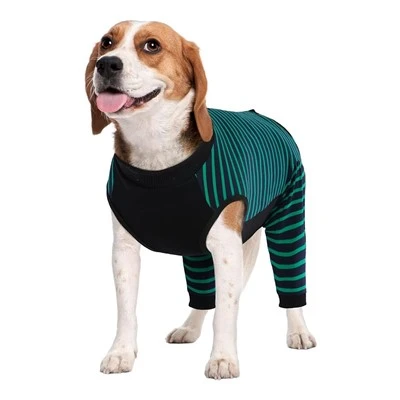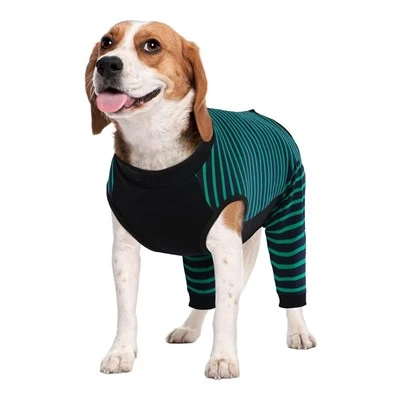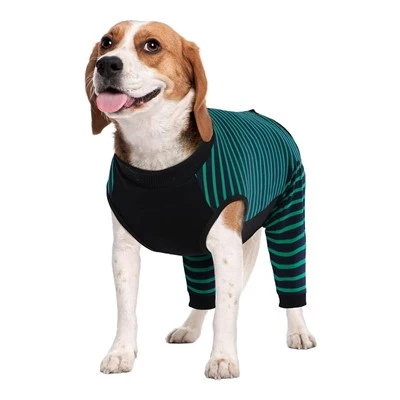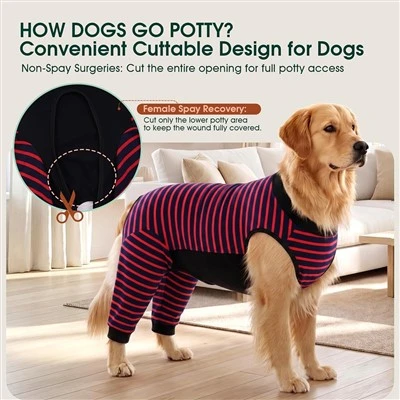

Pet clothing comes in a wide variety of fabrics, each with distinct characteristics. Common options include cotton, which is comfortable and breathable but prone to shrinking and pilling; plush or flannel fabrics, which offer excellent warmth but tend to attract fur and generate static electricity; and polyester, which is wrinkle-resistant and durable-making it ideal for outdoor wear-though its breathability is only average. Nylon is lightweight and abrasion-resistant, suitable for outdoor activities, though it lacks breathability; wool offers superior warmth but shrinks easily, usually requiring hand washing or dry cleaning.
Pet clothing styles and categories are becoming increasingly diverse. Functionally, they range from basic warm-wear and outdoor gear (such as raincoats, windbreakers, jackets, and padded coats) to festive-themed outfits (e.g., for Lunar New Year or Christmas) and formal wear; "matching owner-pet outfits" have emerged as a key marketing highlight. In terms of pet types, canine apparel remains the market mainstream, though the cat clothing segment is growing rapidly. Additionally, custom-made clothing (including DIY options) is gaining popularity among pet owners for its ability to meet personalized needs.
Current design trends in pet clothing show a marked shift toward "anthropomorphism" and fashion-forward aesthetics. Elements of traditional Chinese style-such as "New Chinese Style" designs, *pankou* (frog button) closures, and embroidery-are particularly popular in festive-themed apparel. Meanwhile, collaborations with intellectual properties (IPs) from film, television, and anime have become vital strategies for brands to boost their influence and create hit products.
Functional innovation in pet clothing is moving toward smart technology, enhanced utility, and eco-friendliness. In the realm of smart technology, products integrating health-monitoring sensors and GPS tracking are a major focus of R&D.
Regarding functionality, fabrics featuring reflective safety elements, temperature regulation, and antibacterial properties are widely used. On the sustainability front, the adoption of materials like recycled polyester and organic cotton has become a significant industry trend. Furthermore, technologies such as 3D body scanning and AI-driven design systems are accelerating the development and production processes for customized products.